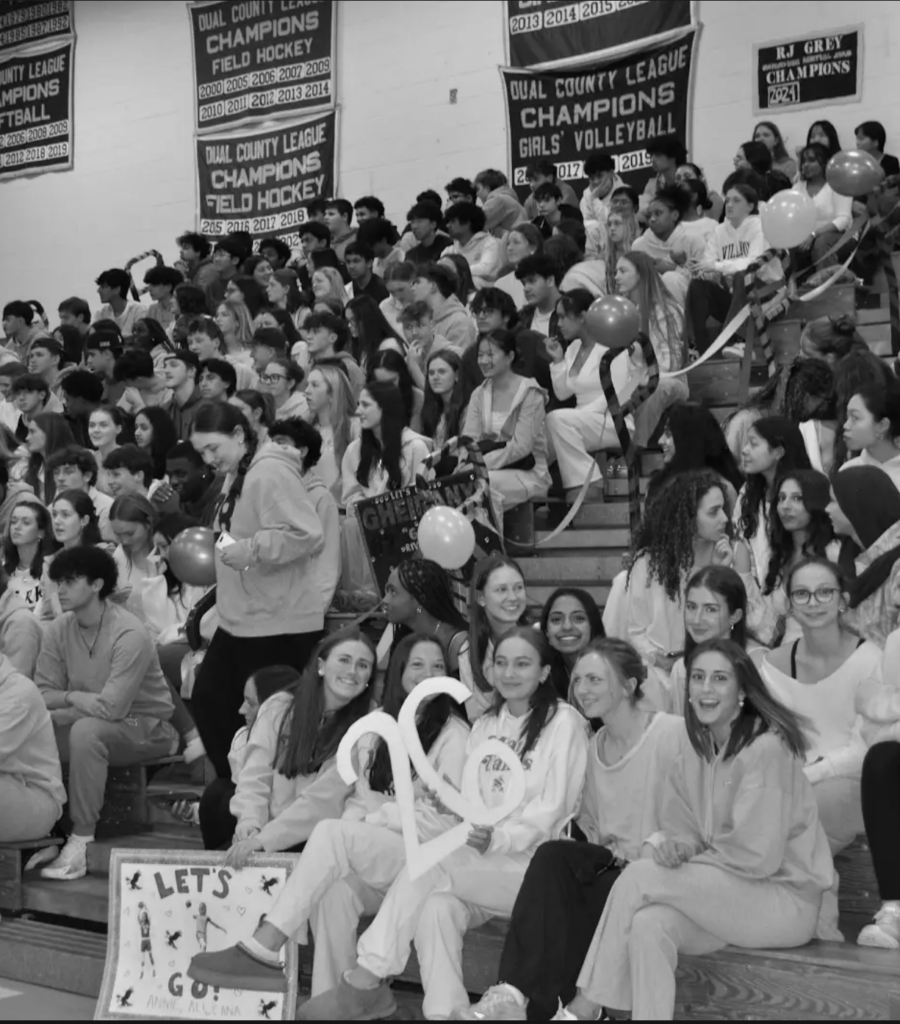
Parlay, also known as sports betting, has gained popularity among Americans in recent years thanks to the increasing number of states legalizing it. The demographics of sports bettors have traditionally been middle-aged men, but younger generations have begun to find a special bond with online gambling, especially at Acton-Boxborough Regional High School. Despite legalization, sports betting is legally restricted to adults over twenty-one.
Yet, students still manage to find loopholes by signing up for parlay websites like DraftKings, Stake, and BetMGM, impersonating their parents to dodge the age requirement. After passing the surprisingly lax security, teenagers now have the ability to gamble any time they would like to, including in class. Students have developed a taste for sports gambling through Fantasy Sports, which are online games where you act as team managers to invest in players. The primary goal is outperforming your peers, winning prizes, and avoiding “Fantasy punishments,” an extreme penalty set by your league beforehand to motivate you for the imaginary season. If Fantasy Sports is fun for students, parlaying is essentially Fantasy on steroids: a game where you can practice your sports knowledge with an opportunity to gain real money with even higher risks, pumping immense dopamine for every win.
However, the fun comes with consequences. Another factor that fuels the desire for sports betting is the number of social media influencers advertising for gambling websites. It does not take long to find popular sports betting websites, such as Stake, being subtly placed as watermarks on viral videos uploaded by sizable accounts across major social media platforms. Heck, there are even massive “BetMGM” and “DraftKings” logos stamped on the Green Monster of Fenway Park. The growing industry of sports betting is seeping into the public’s daily lives without them even noticing; the subtle psychological familiarity only makes individuals become fonder of gambling and forget the harmful consequences. Once you start noticing the sports betting advertisements, you’ll never be able to stop. The myth of parlaying is not one you might imagine for a corrupt district: it’s a reality for many in AB. One of the student gamblers, whose identity I’ve kept confidential, is now $400 in debt from just sports betting: “I started parlaying last year because everybody else was doing.”
Some, like this student, didn’t necessarily start in hopes of gaining money, but to not stand out against their friend groups. “I’m into other stuff like dropshipping clothes and perfumes. They bring in a lot of money.” As expected, getting the taste of sports betting led this student to be curious about other sources of quick cash that will never be stable enough for them to sustain.
Such activities will only get these students hooked on “easier” methods of earning money than actually committing themselves to anything, meaning this addiction can lead to negative impacts on their school life and future careers. The most obvious problem is that gambling can cause economic losses. Students are spending their allowances, wages, or even their parents’ money to bet on sports; with all of the potential gain comes an even higher potential for loss. Another major problem is that sports betting can become an addiction. Many students report that they do or have seen students parlaying or discussing it in school: sports betting has rooted itself into the student body. The dangerous part of addiction is that sports betting may not seem so serious a problem now, but it can become a gateway into real gambling where one bad decision can change your life. Craving larger profits, some are even indulging in alternative gambling activities such as day trading stocks and indulging in real poker games.
The problem does not stop at developing gambling addictions or economic consequences; many parents are neglecting the issue and overlooking it as part of having fun. Profiting through such a simple task can relieve stress for many, especially students burdened with hours of schoolwork. Many parents condone parlaying for those reasons, the very same figures who should correct such harmful activities are becoming part of the issue.
Fortunately, there are ways to reverse this dangerous addiction, but further involvement can make it irreversible. The most important solution to prevent future addiction is conscious parenting. Instead of letting your child participate in illegal addicting activities, you could instead stop and educate them on the potential dangers of sports betting. States like Virginia are required to educate their students on the dangers of sports betting, but Massachusetts have been late on fixing the parlaying crisis among teenagers. There are laws passed by the Massachusetts Legislature such as, S.240, an Act establishing a standardized problem gambling disclaimer and helpline; S.302, an Act addressing economic, health and social harms caused by sports betting; and H.2416, an Act relative to gambling addiction, but there is yet to be a law directly addressing the issue of easy access to sports betting itself.
Parlaying has been around for centuries, but its engagement with the now vast online world has led to problems that past generations could have never imagined: easy access to the sports betting platforms, increasing economic consequences teenagers have to manage, and the spark of craving many teenage gamblers experience to find larger profits with greater risks. As abysmal as these problems may look, there are stronger and effective remedies to them that everyone could follow to contribute to fighting off the new American crisis.